Workplace Safety
Winter Driving Safety: A Workplace Safety Guide
Share these practical safety tips to help employees reduce risk and stay safer on the road.
November 11, 2026
If your job requires you to drive, winter weather adds a layer of risk that doesn't exist the rest of the year. Snow, ice, freezing temperatures and shorter daylight hours all make crashes more likely. Knowing what to watch for and how to adjust your driving can strengthen your risk readiness and help you get where you're going safely.
Winter Driving Hazards
Winter weather can create several hazards that make driving more difficult and unpredictable:
- Snow and ice. Snow and ice reduce traction and can significantly increase stopping distances compared with dry pavement.
- Black ice. Black ice is a thin, nearly invisible layer of ice that is hard to see and often forms on bridges, overpasses and shaded areas before the rest of the road freezes.
- Reduced daylight. Shorter days mean more driving in the dark, which cuts down your visibility on the road.
- Cold-related vehicle problems. Low temperatures can lower tire pressure, drain batteries and cause fuel lines to freeze, especially in older vehicles.
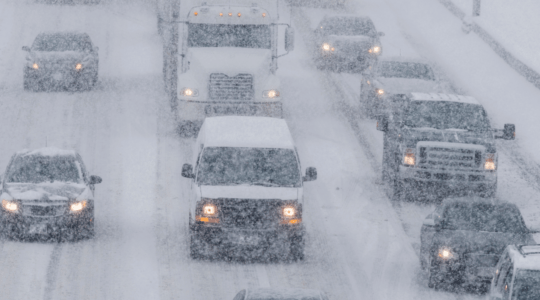
- Whiteout conditions. Blowing snow can make it impossible to see the road, other vehicles or lane markings, even in daylight.
Safe Driving Tips for Winter
Taking a few precautions before and during your trip can help reduce your risk on winter roads:
- Slow down and increase your following distance. Give yourself extra time and space to stop on snow or ice.
- Watch for black ice on bridges, overpasses and shaded stretches of road, especially in the early morning.
- Use your headlights, even during the day, to improve visibility in snow, fog or low light.
- Avoid sudden braking, accelerating or oversteering. Smooth, gradual movements help you keep control on slick roads.
- If you start to skid, ease off the gas and steer in the direction you want the vehicle to go. Do not slam on the brakes.
- Check your tire tread, tire pressure, battery, wipers and fluid levels before driving.
- Keep your gas tank at least half full to help prevent fuel line freeze-ups.
- Keep a winter emergency kit in your vehicle with a blanket, flashlight, phone charger, ice scraper and basic tools.
- Clear snow and ice from your vehicle before driving.
- Check weather and road conditions before you head out, and allow extra travel time.
- If conditions are too dangerous, do not drive.
Defensive Driving Tips for Every Season
Winter conditions make defensive driving especially important, but these practices can keep you safer year-round:
- Stay focused on the road. Distracted driving is one of the leading causes of crashes. Put the phone down and keep your attention on the traffic.
- Maintain a safe following distance. The general guideline is to maintain at least three seconds of space between you and the vehicle ahead. Increase that distance in poor conditions.
- Anticipate what other drivers may do. Expect the unexpected and give yourself room to react.
- Adjust your speed to road and weather conditions, not just the posted limit. Speed limits reflect ideal conditions.
- Check your mirrors regularly and be aware of vehicles in your blind spots before changing lanes or turning.
- Never drive when fatigued, impaired or emotionally distracted. If you are not in a state to drive safely, wait until you are.
Winter driving safety starts with preparation, awareness and good decisions behind the wheel. By recognizing seasonal hazards and adjusting your driving, you can strengthen workplace safety and risk readiness while helping to protect yourself and others on the road.
The above information does not constitute advice. Always contact your insurance broker or trusted advisor for insurance-related questions.