Transportation
Truck Accident Response: Best Practices to Protect Your Drivers and Your Business
A strong truck accident response plan protects drivers, preserves evidence, and keeps a claim from becoming a lawsuit.
September 29, 2026
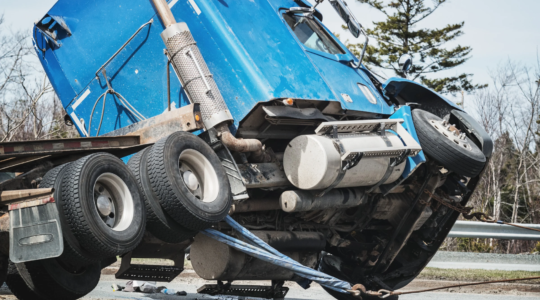
One of your drivers just had an accident. What happens in the next 10 minutes can make the difference between a resolved claim and a lawsuit that follows your company for years.
Much of the conversation about loss control in trucking focuses on preventing the accident. That should always be the first priority. At the end of the day, though, commercial auto is the highest claim frequency insurance in the business, and preparing to respond to a claim is equally important. In an age of increasing claim severity, it can be the difference between your wheels rolling and the doors shutting.
Here’s what we’ll cover:
- What management and the driver need to do
- The importance of scene control and documentation
- Why silence is golden, and how social media can sink your defense
Have an Accident Response Plan Ready
No business owner or executive officer wants to believe that an accident or claim will occur. The reality is that it will happen. Being prepared is the difference between recovering and a claim escalating out of control, draining time, energy, and money. You can build a plan by answering three questions:
- Who is guiding the driver through the crash site response?
- How are you quickly gathering the documentation that proves you were operating safely?
- How are you quickly getting legal and insurance in contact with the claimant to resolve the issue?
These are the foundations that Hylant uses to build claims response plans with clients. Using all the work you have put into building a safety culture and executing on strong DOT compliance, you can create a ready defense against the claims that regularly target motor carriers.
Control the Crash Scene and Document the Evidence
The first five minutes after a crash are often chaotic, but they are also when key evidence can be preserved or lost. Crash scenes are not just chaotic, they are nerve-wracking. Anyone who has been in a vehicle accident knows the first thought is “Am I still alive?” and not “What pictures do I need to take?” This is where dispatch and management can be the calm guide through securing the area, providing aid, and documenting everything.
Best practices for drivers at the scene include the following:
- Deploy reflective triangles or flares as soon as possible.
- Turn on hazard lights and check for fire or fuel leaks.
- Take pictures from multiple angles of vehicles, skid marks, road signs, license plates, and any debris.
- Look for surveillance cameras nearby that may have captured the crash.
- Avoid discussing fault or giving statements to anyone except police, their own company, or legal counsel.
Drivers should never move vehicles unless absolutely necessary for safety. If they must be moved, document their position first. These steps not only protect safety, they preserve facts that can protect your company from exaggerated or fraudulent claims.
When to Involve Insurance and Legal After a Truck Accident
With a tough insurance market that has dragged on for over a decade, it is understandable why motor carriers are hesitant to file claims. That hesitancy, though, will only make your insurance worse.
The reality is that drivers are impatient, and personal injury attorneys have invested significant resources in suing motor carriers. So ask yourself: do you want to control the narrative, or let the other party’s attorney do it for you?
Getting your legal and insurance advisors involved as soon as possible, even while the driver is still at the crash scene, gives the other party confidence in your good will in resolving the situation amicably. Faster claims response tends to lead to better outcomes.
What Fleets Can Do to Improve Accident Response
To reduce liability and protect both drivers and company assets, fleets should:
- Provide drivers with accident response packets that include step-by-step checklists, flares, and PPE.
- Train drivers to recognize legal landmines, especially around fault, social media, and witness statements.
- Regularly review legal timelines for each state where you operate.
Protect Your People and Your Business with the Right Response
Your drivers are often the first, and only, line of defense at an accident scene. The right response doesn’t just protect people. It protects your business.
Hylant’s transportation and logistics practice works exclusively within the industry, serving motor carriers, freight brokers, and warehouse operators. Clients have access to a Safety and Loss Control team led by a trucking professional with decades of experience managing risk and safety for fleets. To review your accident response plan or build one before you need it, connect with a Hylant advisor.
The above information does not constitute advice. Always contact your insurance broker or trusted advisor for insurance-related questions.
Authored by

Mike Weber, Transportation Risk Consultant
Mike is a Transportation Risk Consultant in Hylant’s Fort Wayne office having been a former Area Executive with Yellow-Roadway. He holds the Transportation Risk Specialist (TRS) and Accredited Professional in Risk & Insurance (APRI) designations and advises motor carriers, freight brokers, 3PL's, and auto haulers on emerging risks, risk financing and transfer structure, and proactive claims strategy.
Related Insights

One of your drivers just had an accident. What happens in the next 10 minutes can make the difference between a resolved claim and a lawsuit that follows your company for years.
Much of the conversation about loss control in trucking focuses on preventing the accident. That should always be the first priority. At the end of the day, though, commercial auto is the highest claim frequency insurance in the business, and preparing to respond to a claim is equally important. In an age of increasing claim severity, it can be the difference between your wheels rolling and the doors shutting.
Here’s what we’ll cover:
- What management and the driver need to do
- The importance of scene control and documentation
- Why silence is golden, and how social media can sink your defense
Have an Accident Response Plan Ready
No business owner or executive officer wants to believe that an accident or claim will occur. The reality is that it will happen. Being prepared is the difference between recovering and a claim escalating out of control, draining time, energy, and money. You can build a plan by answering three questions:
- Who is guiding the driver through the crash site response?
- How are you quickly gathering the documentation that proves you were operating safely?
- How are you quickly getting legal and insurance in contact with the claimant to resolve the issue?
These are the foundations that Hylant uses to build claims response plans with clients. Using all the work you have put into building a safety culture and executing on strong DOT compliance, you can create a ready defense against the claims that regularly target motor carriers.
Control the Crash Scene and Document the Evidence
The first five minutes after a crash are often chaotic, but they are also when key evidence can be preserved or lost. Crash scenes are not just chaotic, they are nerve-wracking. Anyone who has been in a vehicle accident knows the first thought is “Am I still alive?” and not “What pictures do I need to take?” This is where dispatch and management can be the calm guide through securing the area, providing aid, and documenting everything.
Best practices for drivers at the scene include the following:
- Deploy reflective triangles or flares as soon as possible.
- Turn on hazard lights and check for fire or fuel leaks.
- Take pictures from multiple angles of vehicles, skid marks, road signs, license plates, and any debris.
- Look for surveillance cameras nearby that may have captured the crash.
- Avoid discussing fault or giving statements to anyone except police, their own company, or legal counsel.
Drivers should never move vehicles unless absolutely necessary for safety. If they must be moved, document their position first. These steps not only protect safety, they preserve facts that can protect your company from exaggerated or fraudulent claims.
When to Involve Insurance and Legal After a Truck Accident
With a tough insurance market that has dragged on for over a decade, it is understandable why motor carriers are hesitant to file claims. That hesitancy, though, will only make your insurance worse.
The reality is that drivers are impatient, and personal injury attorneys have invested significant resources in suing motor carriers. So ask yourself: do you want to control the narrative, or let the other party’s attorney do it for you?
Getting your legal and insurance advisors involved as soon as possible, even while the driver is still at the crash scene, gives the other party confidence in your good will in resolving the situation amicably. Faster claims response tends to lead to better outcomes.
What Fleets Can Do to Improve Accident Response
To reduce liability and protect both drivers and company assets, fleets should:
- Provide drivers with accident response packets that include step-by-step checklists, flares, and PPE.
- Train drivers to recognize legal landmines, especially around fault, social media, and witness statements.
- Regularly review legal timelines for each state where you operate.
Protect Your People and Your Business with the Right Response
Your drivers are often the first, and only, line of defense at an accident scene. The right response doesn’t just protect people. It protects your business.
Hylant’s transportation and logistics practice works exclusively within the industry, serving motor carriers, freight brokers, and warehouse operators. Clients have access to a Safety and Loss Control team led by a trucking professional with decades of experience managing risk and safety for fleets. To review your accident response plan or build one before you need it, connect with a Hylant advisor.
The above information does not constitute advice. Always contact your insurance broker or trusted advisor for insurance-related questions.
Authored by
Mike Weber, Transportation Risk Consultant
Mike is a Transportation Risk Consultant in Hylant’s Fort Wayne office having been a former Area Executive with Yellow-Roadway. He holds the Transportation Risk Specialist (TRS) and Accredited Professional in Risk & Insurance (APRI) designations and advises motor carriers, freight brokers, 3PL's, and auto haulers on emerging risks, risk financing and transfer structure, and proactive claims strategy.