Moving & Storage
The Digital Keys to Your Facility Could Become Its Biggest Vulnerability
As self-storage operations become more connected, cybersecurity must become as fundamental as gates, cameras and locks.
September 15, 2026
Fences, cameras, gates and locks once defined self-storage security. Today, digital leasing, mobile access, online payments and remote management have expanded that definition. Every connected system creates another potential entry point, making cybersecurity an operational and financial risk, not simply an IT concern.
Your Data May Be More Valuable Than You Think
Smaller businesses can be attractive targets because attackers may expect fewer cybersecurity controls and more limited response resources.
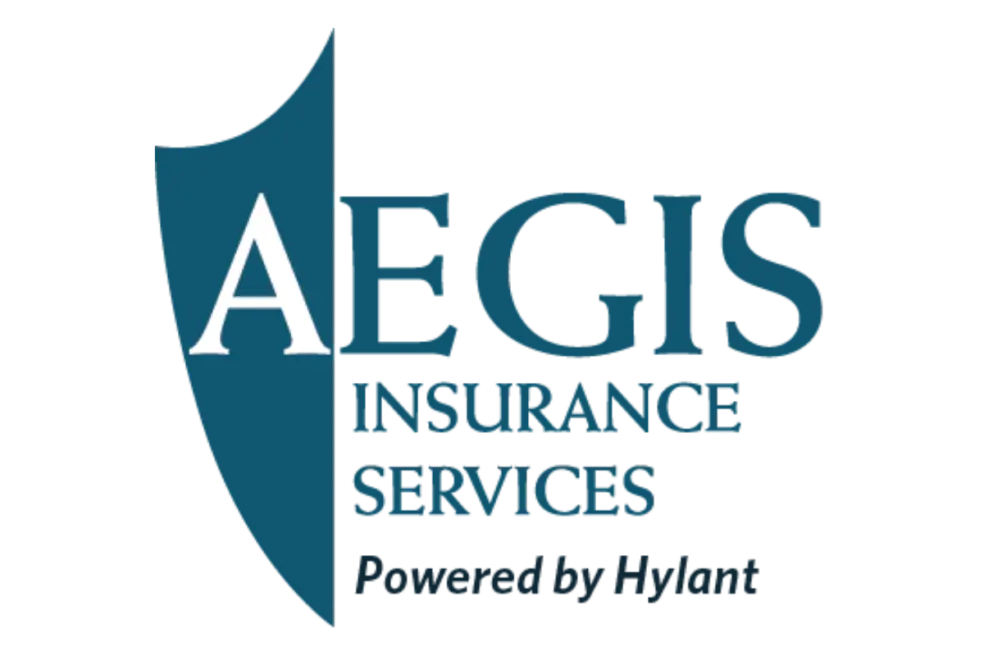
Self-storage businesses also maintain more sensitive information than many owners realize, including:
- Tenant names and contact information
- Payment details
- Driver’s license information
- Lease agreements
- Account and access credentials
- Gate-entry records
That information could be used for identity theft, financial fraud or social engineering. An incident may begin with something as simple as a compromised password, phishing message or unsecured vendor connection.
What Happens When the Technology Stops Working?
Automation allows operators to manage multiple locations, streamline tasks and reduce reliance on on-site staff. It also increases dependence on system availability.
A ransomware attack affecting reservations, billing, tenant records or facility access could leave customers unable to enter their units and employees without critical account information. Even a temporary disruption can quickly become a business continuity and customer service problem.
Even a temporary disruption can quickly become a customer-service and business-continuity problem. Ransomware is designed to interrupt operations and create urgency, putting particular pressure on organizations that depend on uninterrupted access and customer trust.
The Vendor Has the Data. Do You Still Have the Risk?
Online payments have become a standard part of the self-storage customer experience, but the systems supporting those transactions require careful oversight. Most operators rely on third-party providers for payment processing, property management, access control, customer communications and online leasing.
Each integration creates another connection point to evaluate. Outsourcing a service does not necessarily outsource the risk, so operators should review a provider’s security practices, incident-response capabilities and contractual responsibilities before connecting it to critical systems.
Where Cyber Liability Insurance Fits
A traditional property and casualty insurance program may not adequately address losses associated with data breaches, ransomware, cyber extortion, digital asset restoration, forensic investigations, privacy liability or technology-related business interruption.
Depending on the policy, cyber liability insurance may provide access to breach-response support, specialized legal counsel, forensic services, customer notification, public relations assistance and business interruption protection.
Coverage should complement strong cybersecurity practices, not replace them. Insurers increasingly evaluate controls such as multifactor authentication, employee training, endpoint protection, backups and incident-response planning.
Five Steps Self-Storage Operators Can Take Now
Start with these five foundational actions:
- Require multifactor authentication across critical business systems.
- Train employees to recognize phishing, suspicious links and common cyber threats.
- Review technology partners annually, including their security controls and contractual responsibilities.
- Maintain tested backups and an incident-response plan to support a faster recovery.
- Evaluate cyber liability coverage as part of business-continuity planning.
The goal is not to eliminate every possible cyber threat. No organization can do that. The goal is resilience: reducing the likelihood of an incident while strengthening the organization’s ability to respond and recover.
Digital Security Is Now Facility Security
Leading operators will approach cybersecurity with the same discipline they apply to gates, cameras and locks. As facilities become more connected, cybersecurity practices, technology partnerships, response plans and insurance programs must keep pace.
Protect the Business Behind the Convenience
Aegis helps self-storage owners and operators identify emerging exposures, strengthen risk-management practices and evaluate insurance solutions for today’s connected operating environment.
Let’s talk about whether your cyber risk strategy and insurance program are keeping pace with your operation.
The above information does not constitute advice. Always contact your insurance broker or trusted advisor for insurance-related questions.
Related Insights
The Digital Keys to Your Facility Could Become Its Biggest Vulnerability
September 15, 2026
Why Similar Self-Storage Facilities Can Receive Very Different Insurance Quotes
August 25, 2026
What High-Performing Moving Companies Get Right About Risk (That Others Miss)
June 10, 2026